


Digital Invitations and Stickers as a Modern Paradigm of Festive Communication
The evolution of communication methods in today’s world, driven by rapid digitalization, has not bypassed such an important sphere as festive invitations. Traditional paper invitations, which for centuries symbolized elegance, personal attention, and solemnity, are increasingly giving way to their digital counterparts. This phenomenon is not just a fashionable trend but a fundamental shift in social interaction, reflecting changing behavioral patterns and expectations. The spread of mobile devices and messengers has transformed event planning into an interactive process where speed, convenience, and functionality are as important as, if not more than, aesthetics.
Electronic invitations have long gone beyond simple graphic cards sent by email. Today, they are versatile tools that can take many forms, from simple images to full-fledged invitation websites, video clips, or animated GIFs. These formats offer remarkable flexibility and allow event organizers to adapt them to any theme or audience. Online, one can create invitations for a wide range of events covering both personal and professional spheres.
According to research, some of the most popular types of online invitations include weddings, graduations, christenings, gender reveal parties, children’s events, as well as commercial gatherings such as workshops, exhibitions, and business meetings. Each type can be customized to convey a unique atmosphere: romantic and delicate for a wedding, bright and cheerful for a children’s party.
Key Advantages Behind the Rise of Digital Invitations
Speed and Convenience. Digital invitations can be sent instantly, even if guests are in other cities or countries, significantly saving on logistics. Thanks to interactive features, organizers can easily manage guest lists and track RSVPs in real time.
Interactivity. Unlike static paper versions, digital invitations can include links, buttons, and forms, turning the passive act of receiving a message into active engagement. For example, QR codes can direct guests to a wedding website, an RSVP form, or even a venue map.
Cost-effectiveness. Online design tools save money on paper, ink, printing, and postage, making this option far more affordable.
This transformation of invitations into interactive planning tools is key to modern communication. With integrated RSVP forms, calendar additions, and automatic guest list updates, invitations become full event management platforms even before the celebration begins.
Strong Arguments in Favor: A Comprehensive View
Digital invitations offer a wide range of benefits that go far beyond convenience. Their efficiency, affordability, and functional flexibility make them attractive to both individuals and businesses.
Efficiency and Resource Savings. Digital invitations provide complete time and cost savings. The time once spent on printing, packing, and mailing paper cards (sometimes up to 10 days) is reduced to minutes. Ready-made professional templates also save design time, while costs for printing and postage are eliminated.
Eco-friendliness as a Modern Value. Going digital reduces the use of paper and ink, contributing to environmental sustainability. This resonates strongly with eco-conscious audiences and can serve as a marketing advantage for companies emphasizing sustainable practices.
Unlimited Functionality. Digital invitations can include multimedia elements like videos, music, animations, and photo galleries. Extra features, such as gift registry links or interactive maps, provide all essential information in one place.
In this context, eco-friendliness and cost-effectiveness are not just separate advantages but complementary strategies. Companies can position themselves as sustainable while also offering financially attractive solutions compared to traditional printing.
Challenges and Nuances: Finding the Balance
Despite their benefits, digital invitations are not without challenges. Traditional paper invitations are valued for their elegance, tactile quality, and “personal touch,” which digital formats may not fully replicate. Older guests may also find them less formal or harder to use.
To address this, innovative platforms focus on personalization: using guest names, unique graphic elements, or even custom invitation websites with stories and images. Multimedia features like videos, music, and animations create engaging experiences that compensate for the lack of physicality, redefining the concept of “personal touch” in the digital space.
The Role of Stickers and Graphic Elements
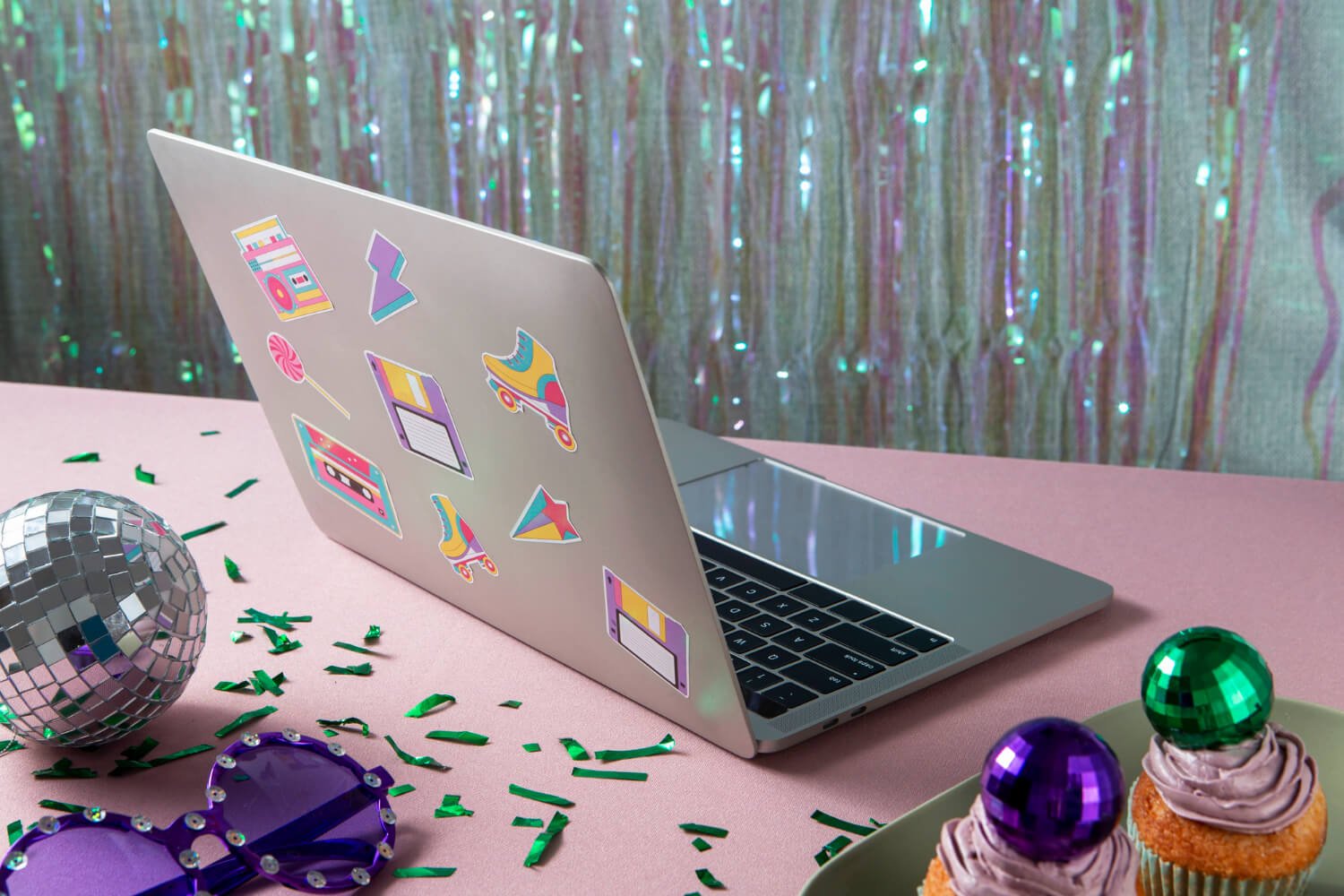
Stickers and graphic elements are becoming essential in modern digital communication, especially for festive invitations. They add individuality, express emotions quickly, and enhance the celebratory atmosphere. Platforms like Invitanku allow invitations to be decorated with stickers, shapes, and fun details, making them unique. Psychologically, these elements transfer the casual, everyday style of messenger communication into festive contexts, making invitations livelier and more relatable, particularly for younger audiences.
However, etiquette suggests stickers should be used carefully. While suitable for informal events, official or business invitations should primarily rely on text, with stickers only as additional decoration. Mass messages with only a sticker or generic card may appear disrespectful.
Tools and Interactive Solutions
Modern design platforms have democratized digital invitation creation:
- Canva: A leading tool with drag-and-drop functionality, a vast library of templates, stock photos, and AI features through Magic Studio™ (e.g., text drafts, image editing, text-to-image tools).
- Weblium: A Ukrainian platform for full-fledged invitation websites with event details, maps, galleries, and RSVP forms.
- Picsart: A free editor with templates and AI tools for photo editing and design.
These platforms, especially with AI integration, make professional-quality invitations accessible to everyone, fueling creativity and personalization.
Interactive Technologies: From QR Codes to Animated Stories
QR Codes. They bridge the gap between physical and digital. Printed invitations can include QR codes leading to websites, RSVP forms, maps, or galleries.
Animated Invitations. Platforms like CapCut, InVideo, Adobe, and FlexClip enable video or GIF invitations that set the event’s tone before it even begins, offering a personal and creative touch.
Practical Aspects and Etiquette
Formatting Rules. Subject lines should be short and engaging; invitations must include essential details (event type, date, time, location, dress code). Personalization is key.
Delivery Rules. Avoid mass messages in group chats, as they may seem disrespectful. Digital invitations can be shared via email, messengers (Viber, Telegram, Instagram), or social media depending on the audience.
Digital etiquette establishes new norms distinct from traditional practices, emphasizing personalization and avoiding spam-like behavior.
Use Cases: From Children’s Parties to Corporate Events
- Children’s parties: Bright, themed designs (superheroes, pirates, space).
- Adult parties: Pajama parties, Gatsby-style events, Hawaiian celebrations. Dress code and format must be clear.
- Weddings: Full websites with stories, photo galleries, maps, and interactive elements.
These examples demonstrate how theme-level personalization allows setting the tone of the celebration even before it begins. Thanks to the availability of ready-made templates and libraries in online builders, organizers can easily adapt the design and text to any unique concept, which was previously difficult and costly.
The use of digital technologies in event preparation opens new horizons for creativity, efficiency, and convenience. The transition from paper traditions to digital innovations is an inevitable stage that requires organizers to master new tools and communication rules. Following digital etiquette and using interactive technologies not only saves time and money but also creates a unique and unforgettable experience for guests.