


How to Properly Combine Colors in Festive Decor
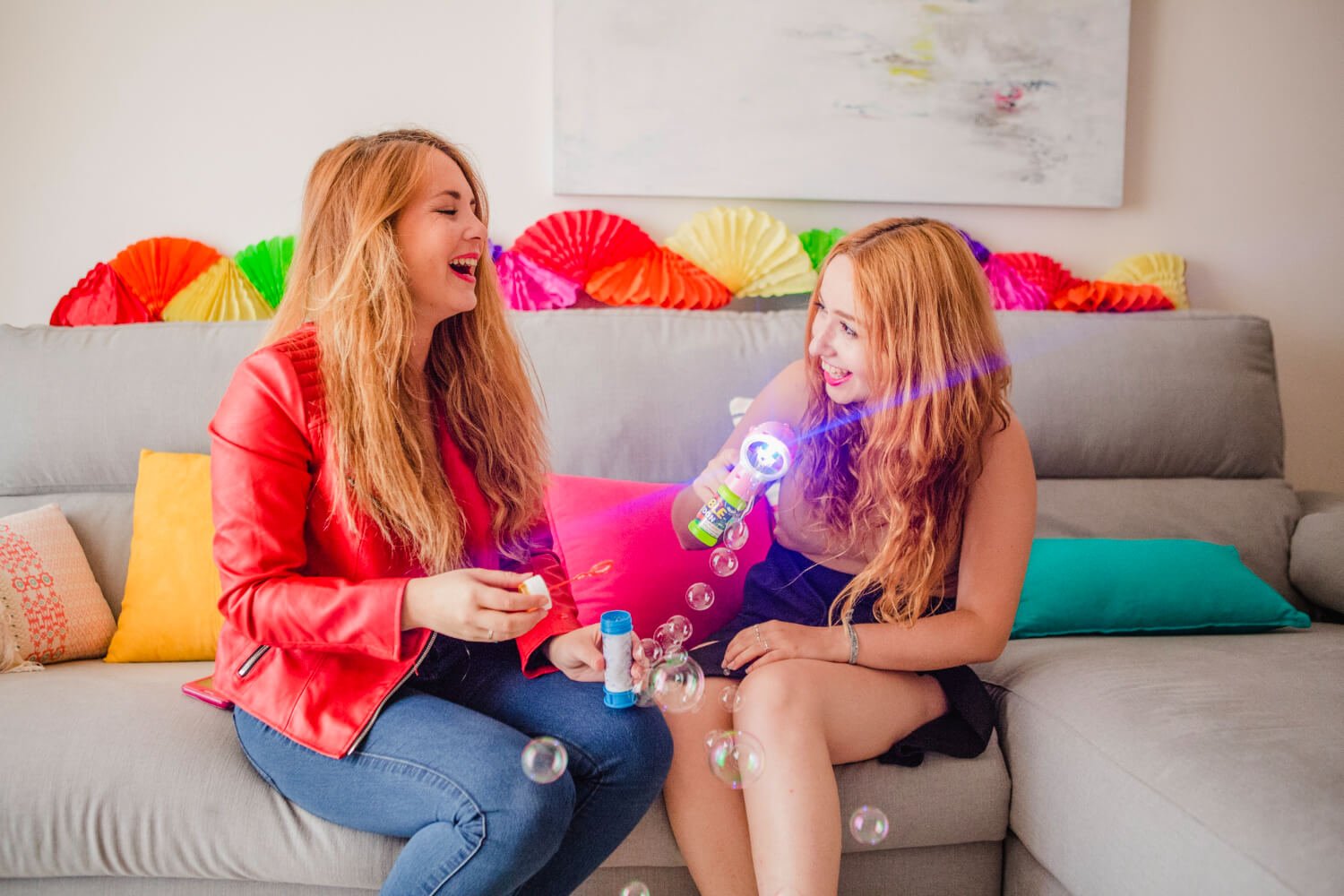
Color is not just visual perception, it is a powerful language that speaks to us on a subconscious level, influencing our emotions, mood, and the way we experience space. In festive decor, color plays a decisive role, transforming an ordinary room into a source of warmth, joy, and magic. The right choice and combination of shades can create any desired atmosphere, from restrained elegance to vibrant cheerfulness. This decision is one of the most challenging in design, as it goes beyond simple preferences. Every shade evokes certain associations and emotions, and understanding these connections allows you to consciously control the atmosphere in your home.
Color Theory for the Decorator
To become a true master of festive decor, it is essential to understand the basic principles on which visual harmony is built. This is your “recipe” for creating fail-proof combinations.
The color wheel is the visual foundation that shows the relationships between colors. Understanding it is the first step toward creating a harmonious design. It helps explore, combine, and strategically use shades to build visually appealing and effective compositions.
- Primary colors: Red, yellow, and blue. These fundamental colors cannot be created by mixing others and serve as the building blocks of all palettes.
- Secondary colors: Orange, green, and purple. These are formed by mixing two primary colors in equal proportions, creating smooth transitions and expanding the palette.
- Tertiary colors: Created by mixing primary and secondary colors, such as red-orange or blue-green. These provide more complex and refined schemes.
Color Combination Schemes
The color wheel makes it possible to identify time-tested schemes that help create harmony in decor.
- Monochromatic scheme. Uses variations of a single color in different shades, tones, and intensities. It creates an elegant, cohesive, and sophisticated look, perfect for minimalism. In festive decor, this could be a Christmas tree decorated only in white, silver, and gold ornaments, or a table set entirely in white. Textures and shapes then become the main visual focus.
- Analogous scheme. Combines colors located next to each other on the wheel, such as blue and green. It creates a soft, calm, and cozy atmosphere with smooth transitions. This works well in decor dominated by pine and olive shades.
- Complementary scheme. Uses colors opposite each other on the wheel, such as red and green. This is the most striking scheme, adding energy, dynamism, and drama to the design. It is ideal for highlighting key elements and zoning space.
- Triadic scheme. Uses three colors evenly spaced on the wheel, such as the primaries (red, yellow, blue) or the secondaries (orange, green, purple). This creates bright yet balanced contrast, often used in multifunctional interiors. Typically, one color dominates while the others serve as accents to avoid visual overload.
The Psychology of Color
Every color triggers certain emotions, and understanding this allows you to consciously shape the desired mood.
- Warm colors (red, yellow, orange): Associated with energy, passion, and joy. They create a feeling of warmth and make spaces feel cozier and more intimate.
- Cool colors (green, blue, purple): Symbolize calm, harmony, and freshness. They visually expand a space, creating openness and tranquility.
Choosing a palette is not only an aesthetic decision, but also a strategic one. An expert approach involves selecting a scheme that enhances the desired emotion.
Inspiring Ideas and Combinations
- Classic red and green: A timeless complementary scheme symbolizing tradition, joy, and festivity.
- Red and white: A modern refresh of the classic, adding sophistication and elegance.
- White, silver, and gold: A refined minimalist palette that conveys purity and luxury.
- White and black: A minimal yet cozy combination that radiates exclusivity.
- Vintage blue with gold accents: A nod to Victorian tradition with a modern, sophisticated twist.
- Pink with accents: Trendy and delicate, symbolizing tenderness and love. Paired with mint, rose gold, or champagne tones, it feels chic and modern.
- Bold avant-garde: Bright green, hot pink, and black accents for an energetic, rebellious look.
Practical Application: Expert Tips
- The festive table is the centerpiece of the celebration. Choose a tablecloth that fits the overall palette. Natural fabrics add elegance. Gold accents create a sense of luxury, while white emphasizes style and red-white brings warmth and tradition. Add pine branches, cones, berries, and candles with subtle scents to enhance the mood.
- For the Christmas tree, limit yourself to two or three main colors to avoid clutter. Use larger ornaments at the bottom and smaller ones toward the top.
- Textures add depth and richness. Mix matte, glossy, natural, and artificial surfaces for contrast and interest. Even in a monochrome scheme, varied textures prevent sterility and add coziness.
- Lighting is the “fourth color.” Warm lights from candles or string lights enhance richness and coziness, while cool light emphasizes freshness and structure.
Create a Celebration that Reflects You
Mastering color combinations is not about rigid rules, but about a flexible tool that lets you express your vision. Understanding theory, psychology, and practical techniques allows you to consciously choose a palette that sets the right mood. Remember that decor is a whole ecosystem where color, texture, and light interact. Do not be afraid to experiment, mix vintage with modern, and add personal accents. The most important thing is your sense of harmony. Create not just a beautiful interior, but a celebration that reflects your individuality and brings joy to you and your loved ones.