


Masterclass on Organizing a Children’s Halloween Party
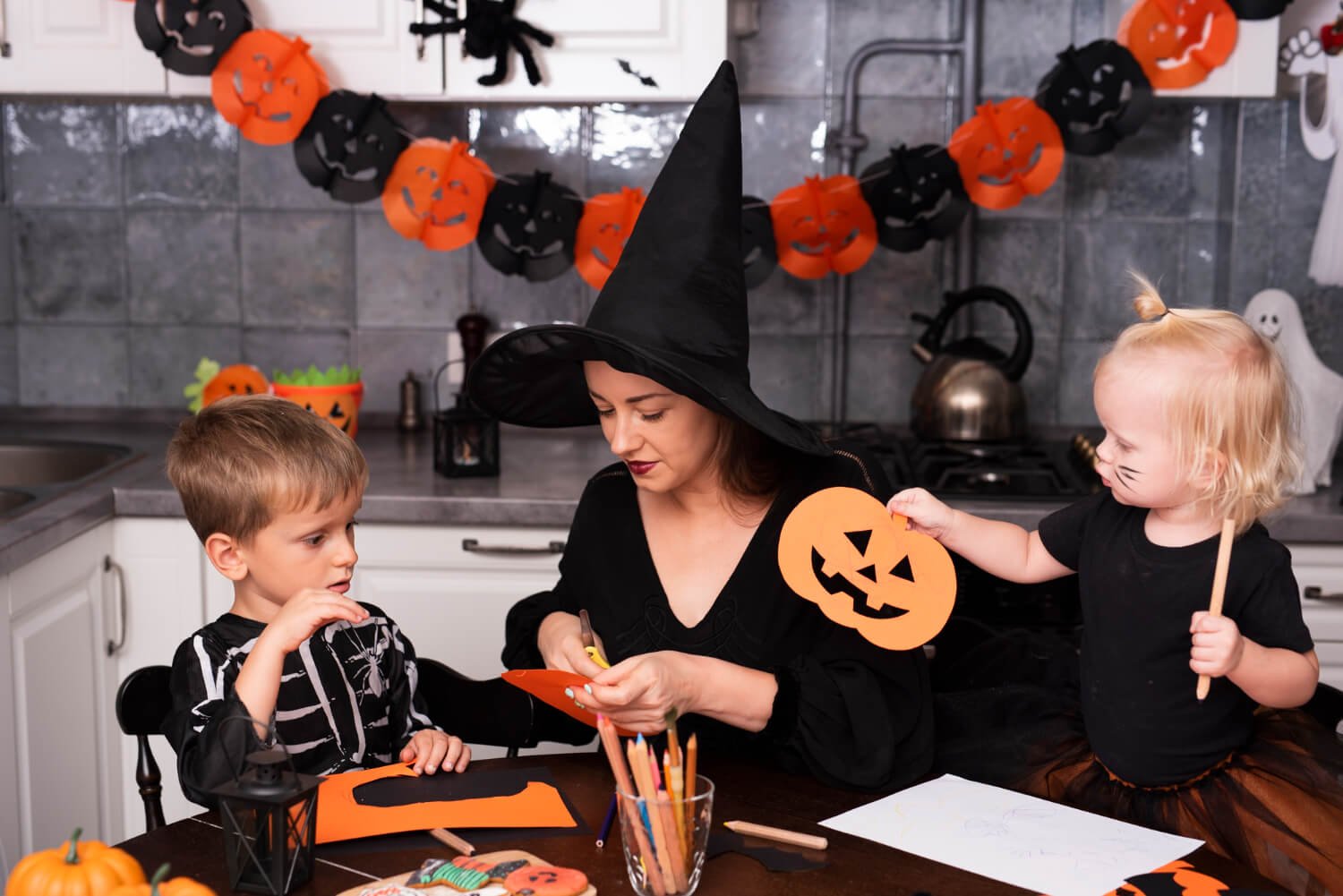
Organizing a children’s Halloween party is more than just a set of contests and decorations. It is about creating an unforgettable experience filled with fun, creativity, and a safe sense of mystery. Instead of a short blog post, this is a detailed guide that serves as a comprehensive handbook for anyone who wants to turn this autumn evening into a real celebration. Careful preparation, attention to detail, and an understanding of child psychology are the keys to success in creating an atmosphere where it is “scary” fun but never frightening. This guide will walk readers step by step through all stages of planning, from choosing a general concept to giving out memorable gifts.
Strategic Planning: The Foundation of an Unforgettable Celebration
The theme of the party is not just about visual design, but a unifying idea that simplifies the planning process and helps create a coherent, exciting atmosphere that children easily perceive. A well-thought-out theme serves as the basis for invitations, costumes, decorations, and entertainment, helping to avoid chaos and create a unique experience. For example, you can organize a party based on popular films or series such as Wednesday or Minute to Win It. Other ideas may include Zombie Apocalypse or Vampire Saga, where everything from invitations to dress codes follows one concept. Of course, there are also more universal but equally creative themes, such as Witch Party or Fairy Tale Heroes.
Organizational Checklist: Nothing Forgotten
Planning a party requires a systematic approach. The first step is to determine the guest list and their ages. Research shows that the optimal number of children for a party is between 5 and 12, especially if they are of different age groups. The age of the guests directly affects the choice of activities: younger children are better suited for calm and predictable games, while older ones prefer active adventures and quests.
The next important step is choosing a venue. Options range from a home setting to rented halls, children’s centers, or cafes. The choice depends on the number of guests and the available budget. Renting a loft or open space can be more cost-effective, as it allows you to bring your own catering and avoid minimum orders at restaurants or cafes. Children’s centers, in turn, provide a safe environment and the option of hiring professional entertainers, which can be a relief for parents who want to relax. In addition, creating the right atmosphere includes music. It is recommended to prepare a cheerful and lively playlist that may feature “spooky” tracks from horror movies for mystery but with playful and fun elements.
Invitations: Setting the Stage for Celebration
Invitations are not just cards with a date and address; they are the first contact with the event that builds anticipation and immerses guests in the theme before it begins. Handmade invitations are a special surprise.
Creative ideas include:
- Origami bat: make small bats from black paper and hide the invitation text inside.
- Candy bag: fill small bags with sweets and add an invitation note inside, creating a sense of surprise.
- Pumpkin or owl card: cut out shapes from colored paper and decorate them with funny faces, glitter, or stickers.
- Vintage scroll: turn ordinary paper into parchment by soaking it in strong tea, drying it, and tying it with a black ribbon.
Creating a Magical Atmosphere: Decorations and DIY Crafts
Decorations: From Spooky to Funny
Decorating the space is the magic that sets the tone for the entire celebration. A children’s Halloween requires a special approach where playful elements of spookiness take priority. The goal is to make it “scary” fun, not truly frightening. That is why decorations like funny pumpkin faces or cartoon-style props work perfectly.
DIY ideas include:
- Garlands: fold paper accordion-style, draw templates, cut and paint with the kids to create garlands of ghosts, pumpkins, or bats.
- Paper crafts: make witches, spiders, or origami bats from paper and clay.
- Household decorations: use gauze and balloons to create flying ghosts, or paint oranges and tangerines as mini Jack-o’-lanterns.
- Pumpkin art: instead of carving, paint pumpkins for a cleaner and more colorful effect.
Workshops: Creativity that Inspires
Workshops are both entertainment and a way to involve children in making decorations. Kids can take home their crafts as souvenirs. Ideas include making masks, painting balloon faces, or creating paper garlands.
Costumes: Bringing Fantasies to Life
Costume choice is one of the most important parts of Halloween for children. Experts emphasize the importance of giving kids freedom of choice. Even if a costume does not match the party’s theme, the child’s joy matters more than visual harmony.
Ideas range from:
- Classic Halloween: witch, ghost, vampire, skeleton, mummy.
- Cute characters: angel, princess, kitten.
- Modern heroes: cartoon characters, superheroes, or animals for the youngest kids.
DIY costumes are both budget-friendly and creative. Examples:
- Ghost: a white sheet with holes for eyes and mouth.
- Mummy: old white clothes and bandages, optionally aged with coffee.
- Zombie: old clothes with rips and stains, pale makeup, and smudges for effect.
Games and Entertainment
Games should be adapted by age, alternating between active, calm, and creative ones. A balanced program combining activities like Mummy Race and Monster Color Game will keep children engaged.
Deliciously Spooky Menu
Snacks and Main Dishes:
- Mummy pizza: dough with tomato sauce, sausage, and cheese strips resembling bandages, with olive “eyes.”
- Scary peppers: stuffed bell peppers with faces carved like pumpkins.
- Bloody burgers: burgers topped with ketchup for a “bloody” effect.
Desserts:
- Witch fingers: cookies shaped like fingers with almond “nails.”
- Meringue ghosts: light and spooky ghost-shaped meringues.
- Jelly worms: jello worms made with straws, served on crushed cookies as “dirt.”
- Strawberry ghosts: strawberries dipped in white chocolate with dark chocolate faces.
Drinks:
- Witch’s punch: apple punch decorated with carved apple faces.
- Dracula’s blood: cherry or pomegranate juice served in glasses with straws.
Prizes and Gifts
Each contest should have a winner, with prizes like candy, plush toys, masks, or fun awards. To avoid disappointment, every guest should receive a souvenir, such as bat or pumpkin glasses, headbands, skeleton-hand clips, tattoos, or DIY crafts made during the workshop.
A Celebration to Remember
Organizing a children’s Halloween party is an art that requires attention to detail and a comprehensive approach. Success lies in the synergy of all elements: from the unifying idea to the smallest souvenir. The goal is to create an atmosphere where “scary” means fun, not frightening, where creativity is encouraged, and every child feels unique and involved. With thoughtful planning and a personal touch, the party will become a cherished memory. After all, the essence of the celebration is not perfection but the genuine joy you bring to your little guests.